Why Short Practice Sessions Work Better For Kids
By The Kids Work Sheets Team · Invalid Date
Why Short Practice Sessions Work Better For Kids is a question many families ask once practice starts to feel repetitive. Young children often need to meet the same idea many times before it feels familiar. When that repetition is warm, brief, and connected to real life, it can build early learning without making learning feel heavy.
Start with one small goal. Ask your child to try one small task, talk about it, and end while the mood is still positive. This keeps the activity focused and gives you a clear way to notice progress without turning the moment into a test.
Use materials that make the idea concrete. Everyday supplies, picture books, and short printable activities can help children see and feel the skill before they are asked to show it on paper. This is especially helpful for beginners who are still building confidence.
A printable worksheet can be a helpful follow-up after hands-on practice. When children have already touched, counted, sorted, or said the idea aloud, the printed page feels less abstract. It becomes a way to repeat the skill in a quieter format.
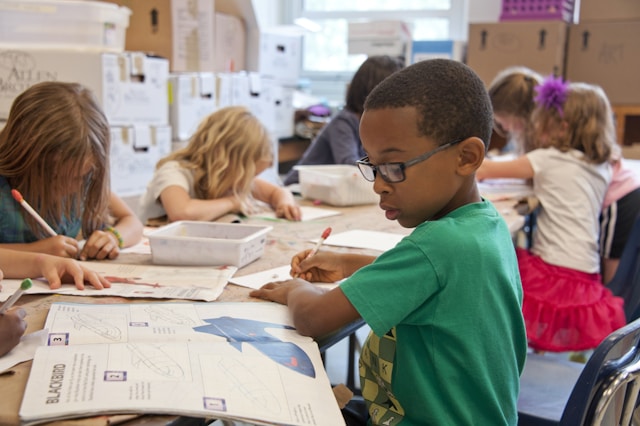
Short sessions are not a shortcut; they are often the right size for young children. Five to ten focused minutes can be enough when the task is clear and the adult response is encouraging.
End with a small success. Name what your child did well, save the page if they feel proud of it, and leave the next step for another day. Over time, these short positive moments build stronger habits and make early learning feel much more approachable.