Body Parts Names Matching Worksheet 2
preschool
kindergarten
general-knowledge
#body parts#matching#vocabulary
Current language
EN
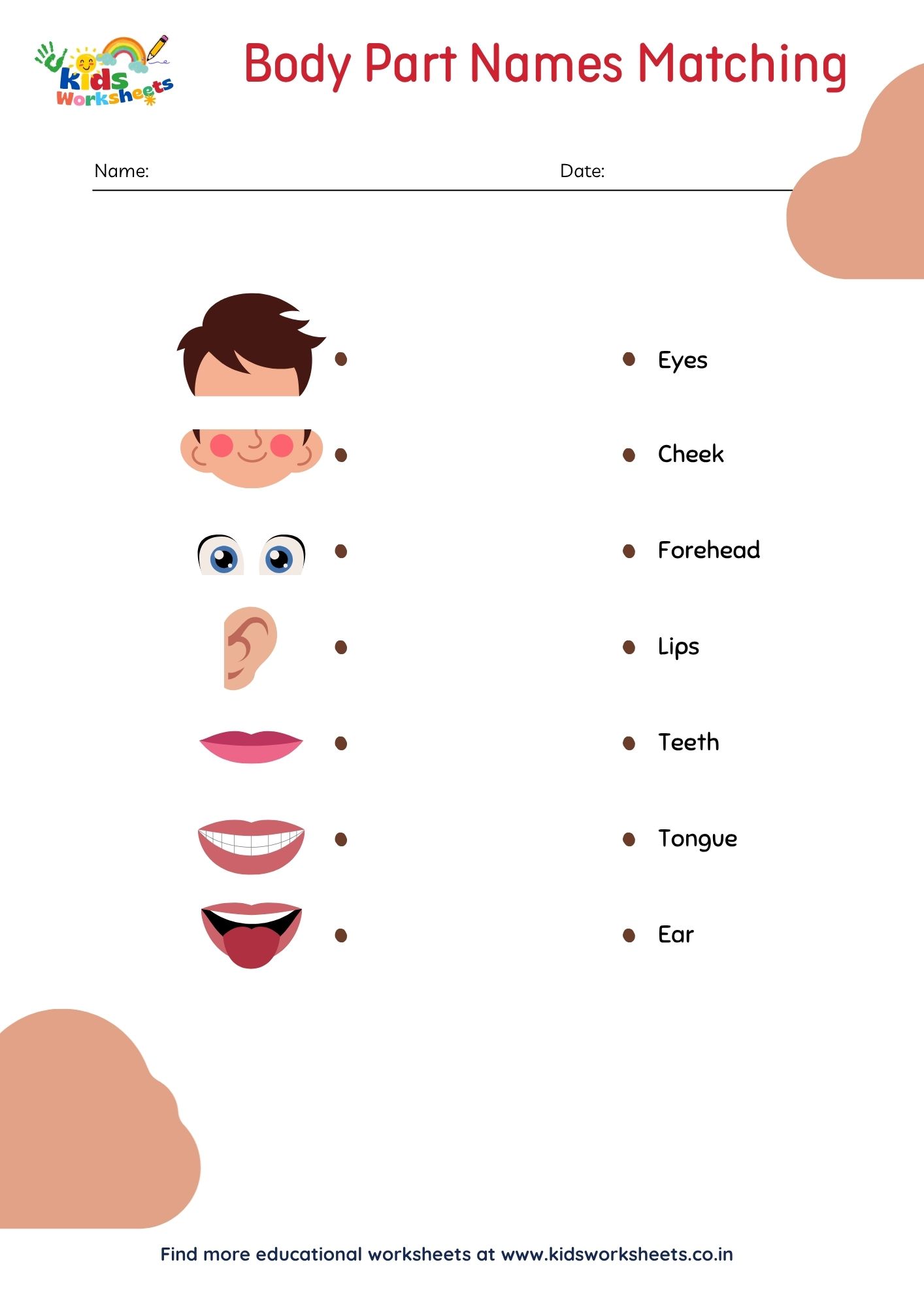
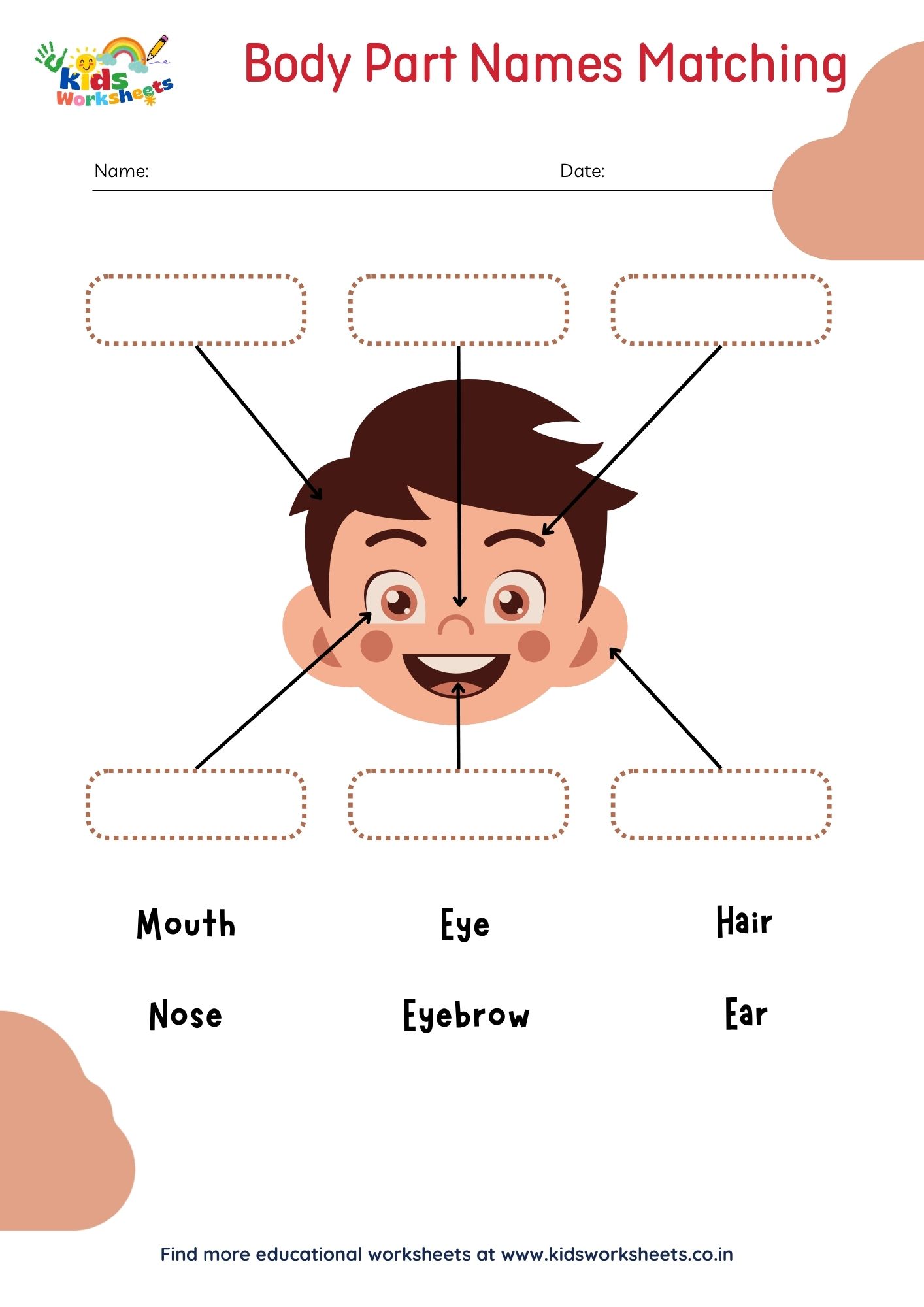
A printable body parts matching worksheet that helps kids connect common body part names with the correct pictures.
Body Parts Names Matching Worksheet 1 gives preschool, kindergarten, and grade 1 a clear, low-pressure way to practice visual recognition, vocabulary, and logical matching skills. This printable general knowledge activity works well for short learning blocks at home, independent seat work, morning tubs, intervention time, or quick review before moving to a new concept. Because the task is contained on 1 page, it feels manageable for children who are still building confidence.
A strong worksheet supports more than the visible task on the page. While children complete this activity, they are also practicing focus, listening, staying with a routine, and finishing a small piece of work successfully. For this printable, the main learning goals include Recognize and name common body parts, Build picture-to-word matching skills, and Strengthen vocabulary through visual identification. That combination makes the page useful for repeated practice across several days instead of a one-time download that is forgotten after one use.
To get the most value from the worksheet, take a moment to preview the page together before the child begins. A simple routine like this usually works best: print the worksheet on a4 or us letter paper, ask the child to say each body part name aloud before matching, and draw a line from each word to the correct picture and review the answers together. When the page is finished, talk briefly about what felt easy and what needed extra effort so the printable becomes part of a real teaching moment, not just a file to print.
If you want to stretch the learning a little further, try one of these quick follow-up activities after the worksheet: